
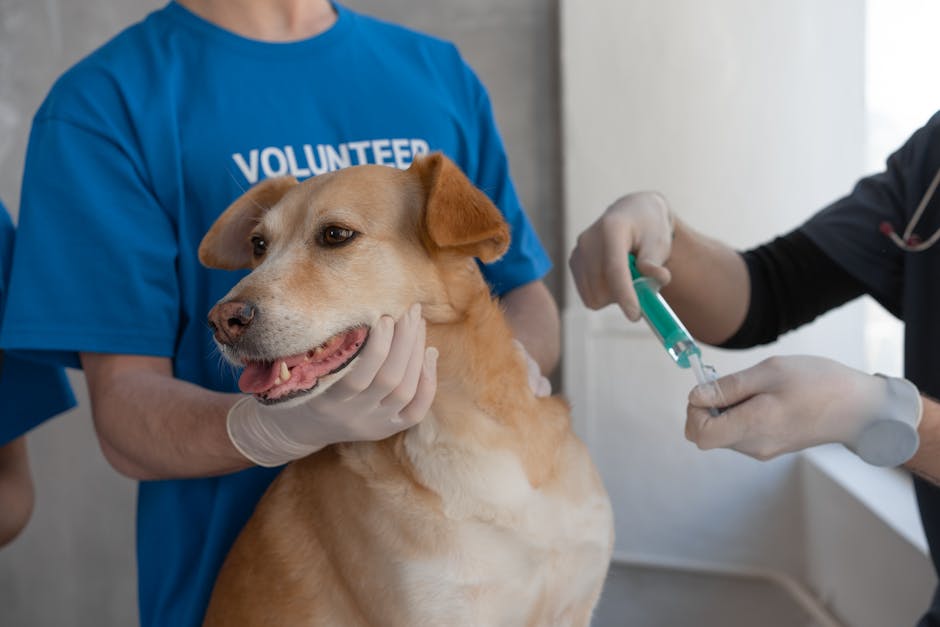
What Vaccinations Actually Do
Vaccines are basically training drills for your pet’s immune system. When your dog or cat gets a vaccine, they’re exposed to a small, inactive piece of a virus or bacteria just enough to teach their immune system how to spot and destroy the real deal in the future.
This process preps your pet to fight off diseases that would otherwise be dangerous or even deadly. Rabies, parvovirus, feline leukemia these aren’t just medical jargon, they’re illnesses with real consequences. A vaccinated pet has already built the antibodies it needs to shut these down before they cause trouble.
It’s not just about your pet, either. Some diseases can jump from animals to humans (that’s called zoonotic transmission), and vaccines stop that chain before it starts. Your healthy pet reduces exposure risk for your whole household.
Then there’s herd immunity. If enough pets in a community are vaccinated, it helps block the spread of disease entirely even to those who can’t get vaccinated due to age or medical reasons. So yes, your single vaccinated pet makes a real difference. And in the big picture, it’s one of the simplest, most effective ways to protect not just our pets, but each other.
Core Vaccines Every Pet Needs
Some vaccinations aren’t optional these are the must haves. Doesn’t matter if your cat never steps outside or your dog only sees the backyard. Certain diseases are too dangerous and too common to take chances.
For dogs, the essentials are:
Rabies: It’s fatal and zoonotic (can spread to humans). It’s also legally required in most places.
Parvovirus: A fast acting, painful disease that hits puppies hard. Survival rates drop without immediate care.
Distemper: Highly contagious and attacks multiple body systems. Prevention is your best bet it’s rough if it hits.
For cats, don’t skip:
Panleukopenia (feline distemper): Deadly and spreads shockingly fast.
Calicivirus: Respiratory infection that can lead to ulcers, pneumonia, or worse.
Herpesvirus (FHV 1): Another major culprit behind feline respiratory illness. It’s common, but preventable.
These vaccines are what vets call “core” because they protect against diseases that are widespread, dangerous, and, in many cases, hard to treat once symptoms show up. If you’re a pet owner, these aren’t up for debate they’re table stakes.
Lifestyle Based Vaccines
Not every pet needs every vaccine but some go beyond the basics, depending on how your animal lives day to day. If your dog spends time at boarding facilities, groomers, dog parks, or training classes, vaccines like Bordetella (commonly known as kennel cough) can keep respiratory infections from spreading like wildfire. Same goes for pets that travel often or have exposure to wooded areas Lyme disease protection might be smart, especially in high tick regions.
Cats who roam outside or live in multi cat households? Consider the feline leukemia vaccine. It’s not recommended across the board but makes sense in higher risk environments.
The key here is context. Your vet’s not just checking boxes during an exam they’re assessing your pet’s lifestyle, environment, and potential exposures. A city apartment cat has different risk factors than a dog hiking with you in national parks. Talk honestly with your vet. The right plan will balance safety, cost, and how your pet actually lives, not just generic checklists.
Timing and Booster Schedules

Vaccines aren’t a one and done deal. When your pet gets vaccinated matters just as much as what they’re vaccinated against. Puppies and kittens should start their core vaccines around 6 to 8 weeks old. From there, shots are spaced out over a few months to steadily build protection. By the time they’re about 16 weeks, your pet should have a basic shield against the heavy hitters.
But the work doesn’t stop after the first round. Booster shots are what keep that protection alive. Most core vaccines need a follow up at one year, and then every one to three years depending on the vaccine and your vet’s advice. These aren’t just formalities they’re the difference between real immunity and fading defense.
If you delay or skip a booster, your pet’s immunity can drop off fast. That leaves them vulnerable to preventable diseases like parvo, rabies, or feline herpesvirus. In some cases, missing a shot means you have to start the whole series over again. Missing a booster is more than a calendar slip it puts your pet’s health at real risk.
Safety, Side Effects, and Myths
Most pets handle vaccines just fine, but a little aftershock is normal. Common side effects include mild swelling at the injection site, low energy, or slight fever all of which usually resolve within a day or two. A bit of whining or extra napping? Par for the course. What’s not normal is persistent vomiting, difficulty breathing, facial swelling, or collapse. That’s when you call the vet, no messing around.
Some pets might have delayed reactions like a lump forming days later or noticeable lethargy beyond 48 hours. Still rare, but worth bringing up with your vet. Severe allergic responses are uncommon, but they do happen. Ask your vet what to watch for, especially if your pet has reacted to meds or shots before.
Then there are the myths. No, vaccines don’t cause chronic illness. They don’t overload the immune system. And skipping shots because your pet “stays indoors”? That’s risky thinking. Indoor pets can still be exposed to airborne viruses, visiting animals, or contaminated objects you track inside. Hesitation is understandable but misinformation shouldn’t guide your decisions.
Vaccines aren’t perfect, but they’re tested, regulated, and reviewed constantly. The real danger isn’t the shot it’s spreading preventable disease because of internet rumors.
Prevention Is Part of a Bigger Plan
Vaccines are critical but they’re not the whole story. If you stop at shots, you’re missing key parts of what keeps pets truly healthy over time. Routine check ups, parasite control, and nutrition work alongside vaccinations to form a strong, preventive shield.
Regular vet visits help you catch issues early before they turn into full blown problems. Fleas, ticks, and worms don’t take breaks, and neither should your effort to stop them. The best diet? One that matches your pet’s age, activity level, and specific needs. Food isn’t just fuel it’s part of their long term defense.
Putting it all together doesn’t have to be guesswork. A pet wellness plan can help you stay on track with the right mix of prevention, care, and peace of mind. Think of it as your blueprint for giving your pet the healthiest life possible.
Long Term Benefits You Don’t Want to Miss
Keeping your pet up to date on vaccines isn’t just about avoiding one off illnesses. It’s a long game with serious payoffs. A vaccinated pet is far less likely to end up in an emergency room with something preventable. That means fewer late night vet runs, fewer surprise bills, and fewer heart stopping moments.
It also gives you and your pet more freedom. Whether you’re boarding your dog while you travel, heading to the dog park, or taking your cat on a family road trip, vaccines keep them and the animals they meet protected. No quarantine. No drama. Just a green light to get out and do more together.
And there’s peace of mind. You can’t bubble wrap your pet, but you can make smart choices that cut risks. Vaccinating is one of the simplest ways to make sure you’re not leaving their health or future up to chance.