
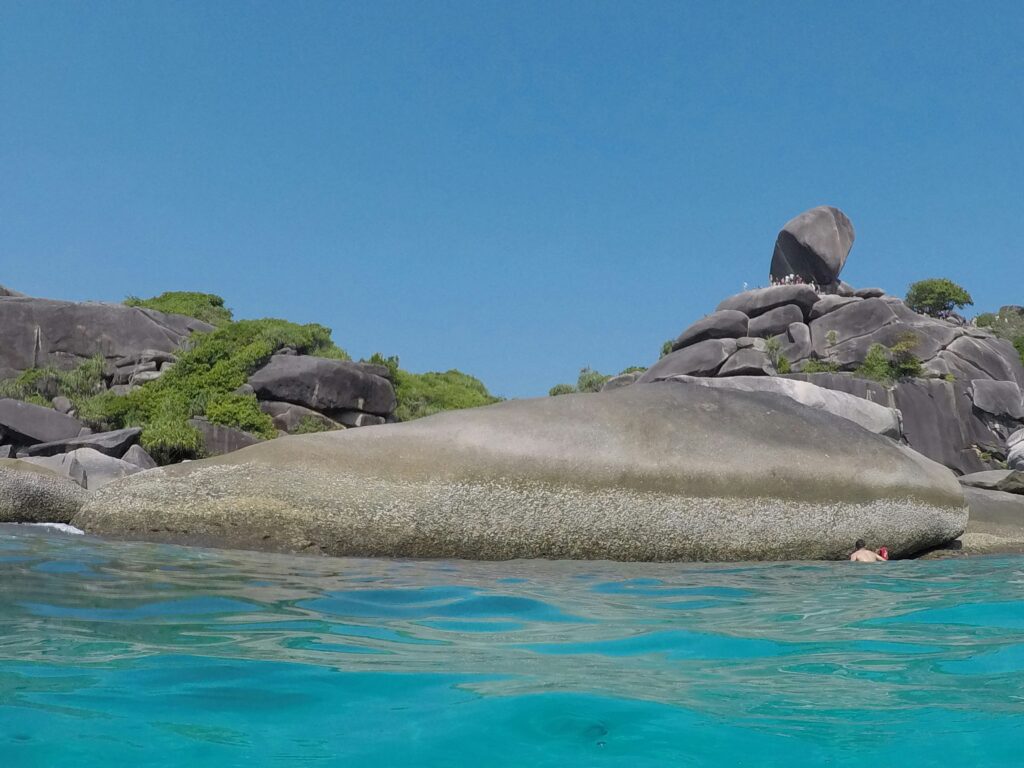
Choose the Right Island Clusters
Not all islands are built the same and neither are your travel priorities. Picking the right region to hop around is step one. Southeast Asia offers a mix of affordability, adventure, and local flavor. Think Thailand’s limestone cliffs, the Philippines’ white sand coves, or Indonesia’s hidden jungle retreats. The Caribbean leans easy going: short hops, turquoise water everywhere, and laid back vibes. You’ll find culture and beach bars in one day. The South Pacific? More remote, more expensive, but unmatched when it comes to raw natural beauty. Fiji, Tahiti, and the Cook Islands are the real life version of desktop wallpapers.
Once you’ve got your region, match the islands to your style. Want slow mornings and sunset views? Go for quieter islands with few roads and smaller resorts. Craving adrenaline diving, cliff jumping, volcano treks? Choose places where nature doesn’t sit still. Chasing culture? Pick islands with a strong local identity markets, music, historic towns, food that hasn’t been watered down for tourists.
Timing is a deal breaker. Most tropical regions have wet and dry seasons, and peak travel periods can wreck your budget. Southeast Asia is driest from November to April. The Caribbean’s sweet spot is December through April, but watch for hurricane season from June through November. South Pacific? Plan between May and October for cool, dry weather. Shoulder seasons not peak, not stormy are often the best bang for your buck.
Start smart, pick with purpose, and the rest of your trip will work itself out.
Plan Your Routes Strategically
Getting from island to island sounds romantic. In reality, it’s part logistics puzzle, part patience test. Ferries are cheap and introduce you to the slower pace of island time but they can be inconsistent, especially in bad weather. Water taxis give more flexibility, but the cost adds up fast if you’re covering long distances. Local flights are quick and efficient, but they blow through budgets, and sometimes you’ll spend more time in tiny terminals than on the beach.
The key? Don’t try to hit every dot on the map. You’ll end up spending more time in transit than in hammocks. Stick to a tight cluster four or five islands max. Pick one hub island where you can base yourself for a few days, especially one with reliable transport connections. That becomes your anchor the place where you reset, swap gear, and maybe catch a breath between jaunts.
Island hopping can be magic, but only if you give yourself room to breathe. Smooth coordination beats a jam packed itinerary every time.
Packing Like a Pro

Island hopping means you’re constantly on the move by ferry, boat, sometimes a seaplane and living out of a bag across different types of stays. Packing smart isn’t optional; it’s survival.
Start with the essentials: dry bags to keep your gear safe on wet docks or choppy rides, reef safe sunscreen to protect you and the marine life, and a good portable charger (or two). Power outlets aren’t always handy on tiny islands, and phones double as maps, cameras, and sometimes your only translator.
Space is tight, so cut the fluff. Roll your clothes, stick to versatile layers, and bring quick dry everything. Shoes? Limit them to one versatile pair and maybe flip flops. Toiletries? Go travel sized or plan to grab basics locally. The goal is to move light, fast, and with zero regrets.
Changing accommodations every few nights gets old fast if your bag’s a mess. Use packing cubes or compression bags to keep things sorted. Some travelers swear by a backpack over a suitcase it’s easier to carry across sand, docks, and steep island stairs. The less you carry, the more freedom you have.
Budget and Booking Hacks
Island hopping may sound like a dream vacation and it is but savvy planning can make all the difference when it comes to your wallet. From unexpected fees to strategic booking tips, here’s how to stretch your travel budget without sacrificing the experience.
Watch Out for Hidden Costs
Hidden expenses can quickly add up if you’re hopping between islands with different transportation options. Keep these common budget traps in mind:
Transportation fees: Ferries, water taxis, and inter island flights all have varying costs, especially in peak season.
Resort transfers: Some high end resorts charge extra for shuttle services from the pier or airport.
Entry or docking fees: Certain islands apply local fees for maintenance, conservation, or tourism infrastructure.
Tip: Always ask if transfers and local taxes are included in your accommodation or tour package before booking.
When to Book in Advance
Planning ahead often pays off but flexibility can also work in your favor, especially in regions with lots of local transport options.
Book in advance if:
You’re visiting during high season or regional holidays
You’re using limited schedule ferries or small flights
You want specific accommodations or tours
Book on arrival if:
You’re traveling off season or mid week
You’re exploring popular routes where competition keeps prices low
You enjoy spontaneous planning and local deals
Save Money with Passes and Packages
Many regions offer bundled travel options for island hoppers that can save you time and money:
Multi island ferry passes: Available in destinations like Greece or the Philippines; useful for hitting multiple spots in one area.
Tour packages: Some operators offer island hopping tours with transportation, lodging, and activities included ideal for hassle free travel.
Regional airline passes: Great for covering large island clusters in far flung locations like the South Pacific.
A little research upfront can lead to big savings and a much smoother journey.
Planning a tropical getaway? Make every dollar count with smart travel choices and a streamlined itinerary. For more pro tips, check out our full island hopping guide.
Local Culture and Sustainability
Island hopping isn’t just about turquoise water and hammocks it’s about stepping into someone else’s world. That means respecting local customs, even if they clash with your beach mood. Cover up when asked to. Learn a few words of the local language. Don’t roll your eyes at island time slower rhythms are the norm, not the exception.
Traveling responsibly also means being aware of your footprint. Carry a reusable water bottle. Stick to reef safe sunscreen those coral reefs can’t defend themselves. Don’t hop on every boat or scooter just because it’s cheap. Over tourism is real, especially on smaller islands that lack the infrastructure to bounce back fast.
And let’s talk money. It matters where you spend it. Choose homestays over the mega resorts when you can. Book local guides. Eat where the locals eat, not just where the view is great for Instagram. Your dollars have power use them to support communities, not just the tourism giants.
Basically, be the traveler you’d want showing up in your own backyard.
Before you start charting your getaway, it’s worth digging into the logistics, packing tips, cultural etiquette, and budget strategies that can make or break a trip. Our full island hopping guide breaks it all down everything from picking your ideal island combos to knowing when to book flights versus ferries. Whether you’re looking for untouched beaches or culture rich hideaways, the guide has actionable insights to help you build a trip that runs smooth, not stressful. Don’t wing it. Plan smart and travel light.